
Future workshop in Hamburg: three visions for the university of tomorrow
What would a university look like where people enjoy learning and working because it is sustainable? Results of our future workshop at the regional conference Goals for Education in Hamburg.
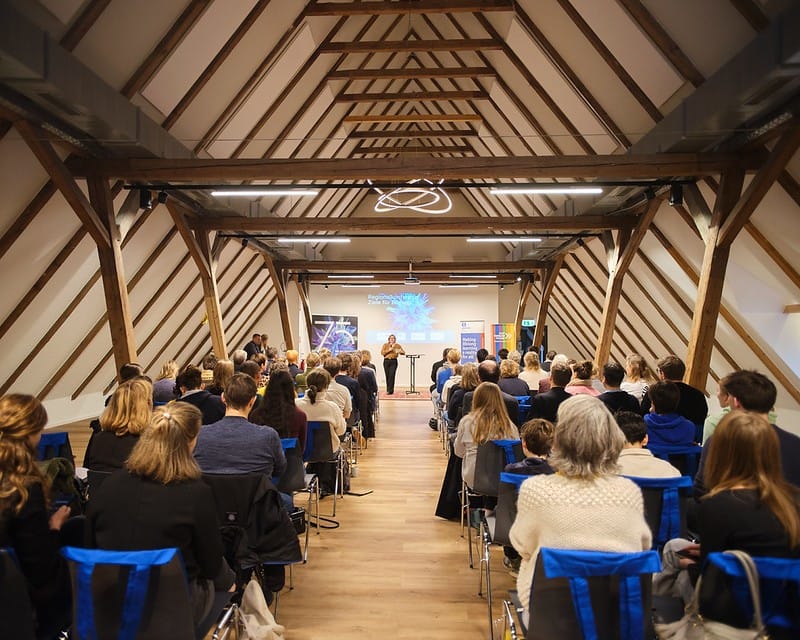
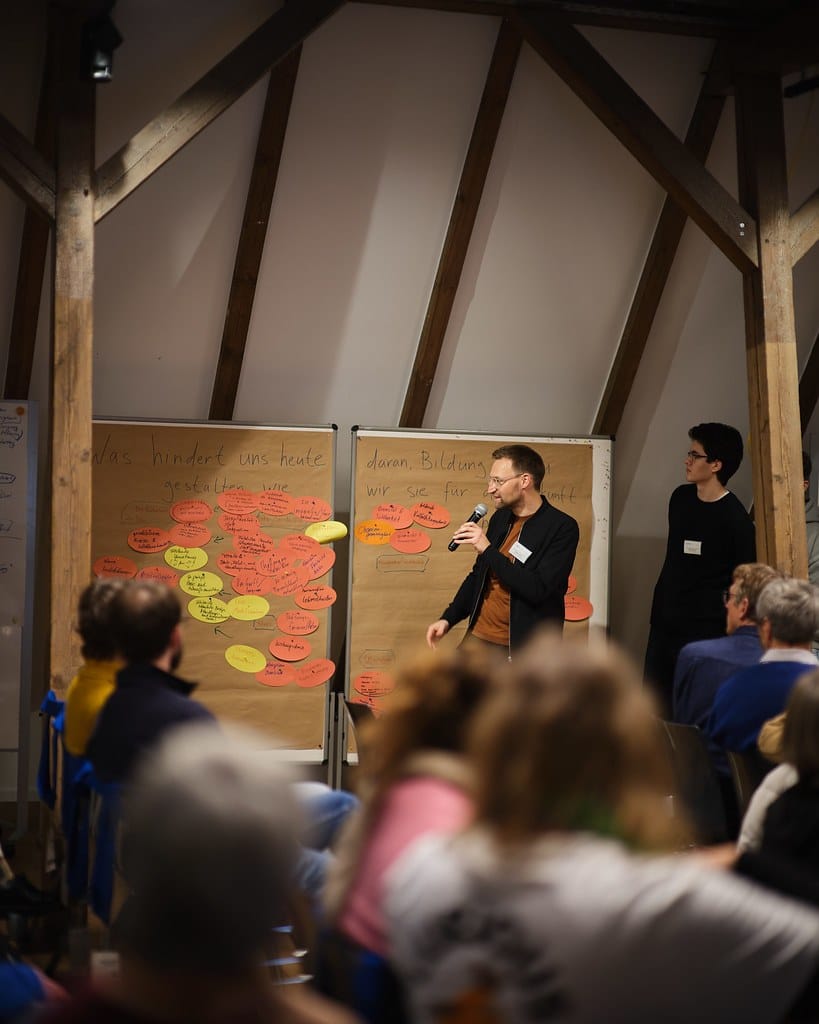
What would a university look like where people enjoy learning and working because it is sustainable? This question guided our future workshop on higher education at the regional conference Ziele für Bildung (Goals for Education) in Hamburg. The German Commission for UNESCO, the UNESCO Institute for Lifelong Learning and the Free and Hanseatic City of Hamburg organised the conference on 19 and 20 November 2026 to mark 75 years of Germany's membership in UNESCO and of the German Commission for UNESCO. On the second day, six parallel future workshops at Gut Karlshöhe worked on education goals for northern Germany, from early childhood education to out-of-school learning. Harald Hantke and Daniel Fischer of the UNESCO Chair in Higher Education for Sustainable Development facilitated the group on higher education.
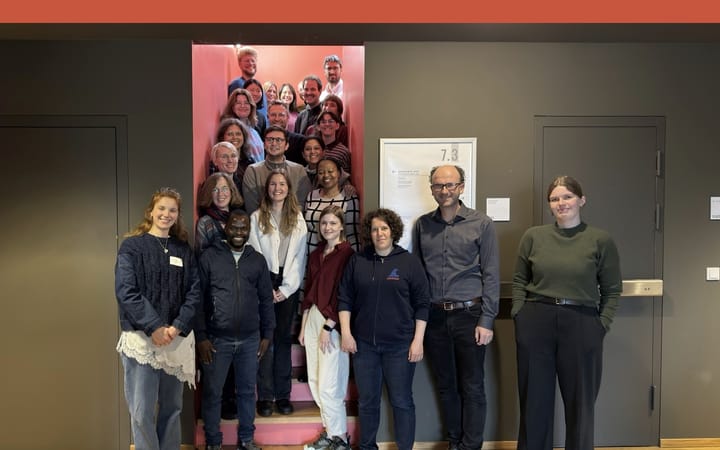
The second day of the event allowed us to explore the much-debated future of higher education from a regional perspective, with a time frame of 2045, from a diversity of perspectives. Our workshop group brought together lecturers and professors, university students and school students who are about to make the transition to university. Each of them looked at higher education from a different point in their own educational path, which offered multiple perspectives on the state and future of the university. The session followed the three phases of a classic future workshop: criticism, fantasy and implementation. What follows are the results as we read them from the discussions, pinboards and flipcharts, together with our own impressions.
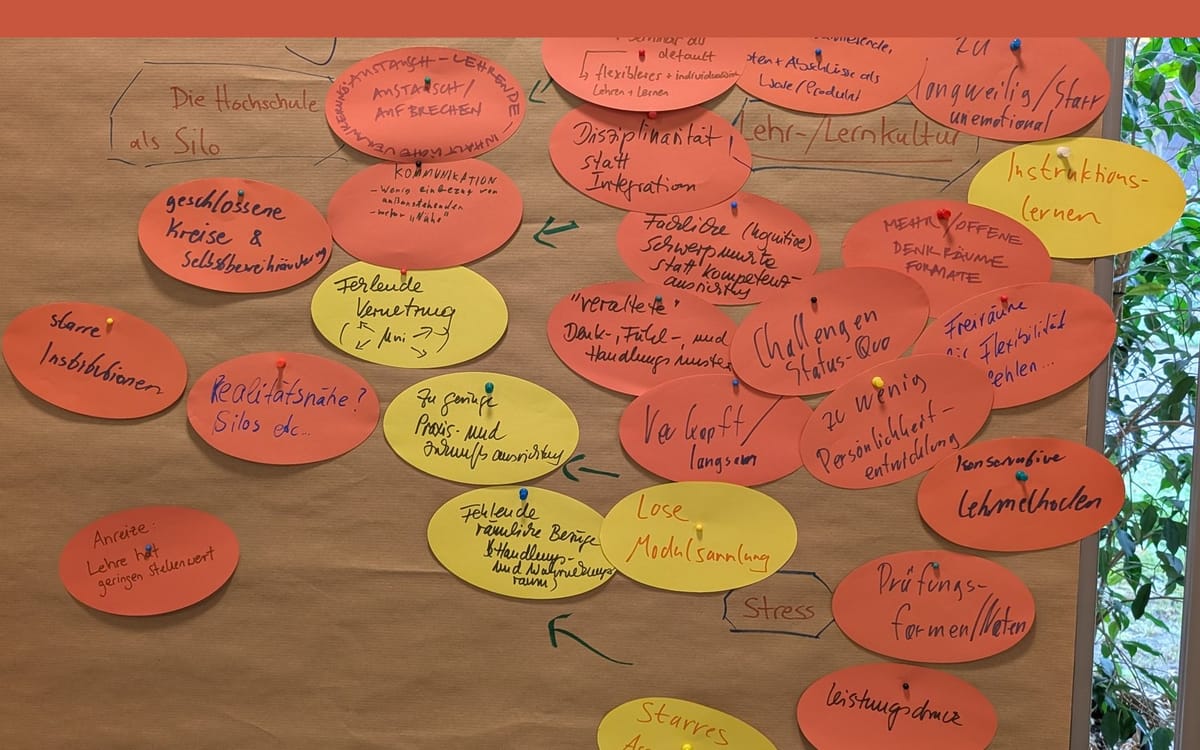
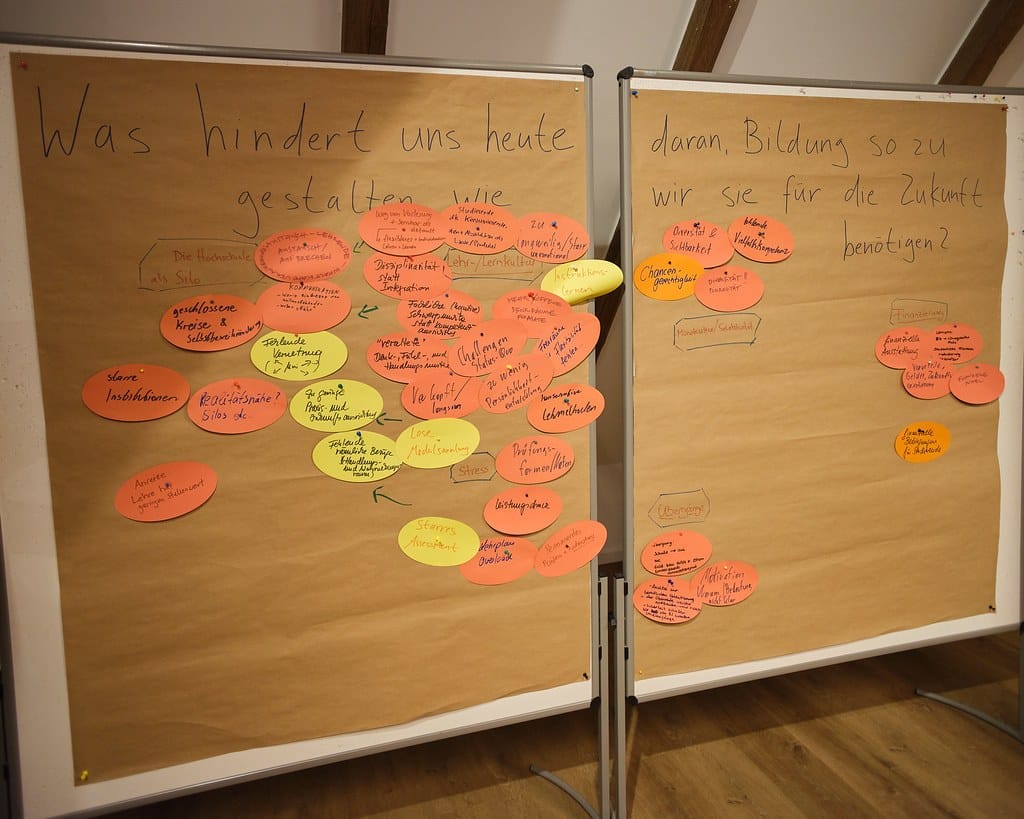
What holds us back today?
We opened with the question of what prevents us today from shaping education in the way we will need it for the future. Within a short time, the cards filled two pinboards. They fell into six clusters: the university as a silo, the culture of teaching and learning, stress from exams and grades, monoculture and selectivity, funding, and the transition from school to university.
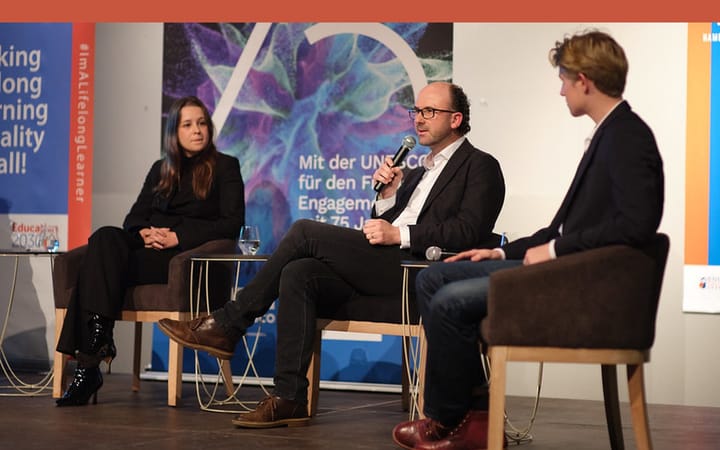
About half of the cards concerned barriers and shortcoming in what happens in studying itself, for example lectures and seminars as the default format, students being treated as consumers, too little room for personal development, and constant testing and pressure from grades. Questions of funding, access and transition were raised later and on fewer cards, but they moved to the centre once the groups began to imagine alternatives. Many cards also echoed what Milly Dziallas, a school student at Gymnasium Rahlstedt, had said on the panel the evening before (see the first part of this reflection).
Three visions
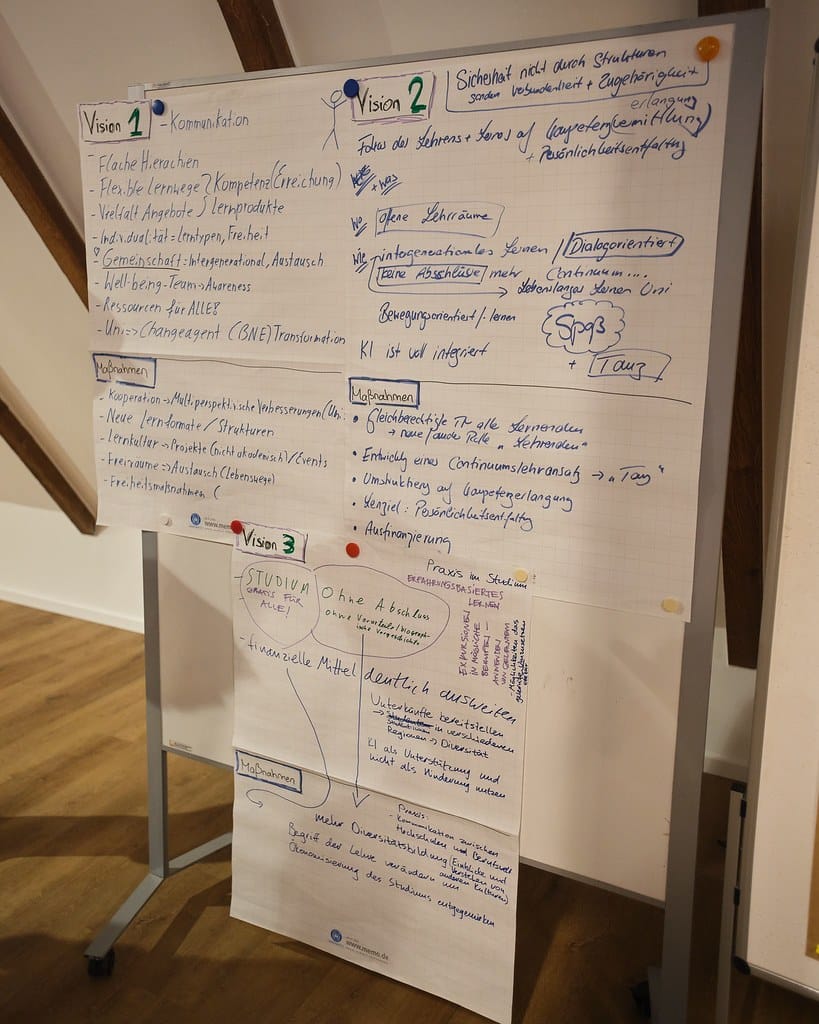
In the fantasy phase, three small groups each developed a picture of the university of tomorrow and derived first measures from it.
- Communication and community
Flat hierarchies, flexible learning paths with a variety of offers, a community that spans different generations, institutionalized well-being teams, sufficient resourcing for everyone, and the university enacting a change agent role for ESD. Measures included cooperation between universities, new learning formats and projects that combine academic research and societal problem-solving.
- Belonging instead of structure
Security that comes from connectedness and belonging, not from resource allocations and entitlements. Open learning spaces, learning that is dialogue-based and involves movement, a continuum of lifelong learning at university in place of degrees, and AI fully integrated. Measures included equal standing for all learners and a new role for those who teach.
- University free of charge for everyone
Study without fees, without degrees and without prejudice about one's biography, with much more practice, excursions into possible career paths and housing that allows students from all regions to study. Measures included closer communication between universities and the world of work, more education for diversity, a changed understanding of teaching and resistance to the economisation of studying.
Connecting points and open issues
The three visions agreed on the need to transform the roles of those who teach, whether through flat hierarchies, the equal standing of all learners or a changed understanding of teaching. In two of the three visions, the very need for formalized degree programs and grades was challenged, which we read as the most far-reaching response to the exam stress named in the critique phase. Access, funding and diversity run through all three visions.
Two questions remained open, and in our view both deserve further work. If grades disappear, how can learning be made visible and recognised? And how can the low status of teaching in the incentive systems of universities be changed? Hamburg's Masterplan ESD 2030 offers a framework in which these questions can be taken further.
Photos: UNESCO Institute for Lifelong Learning (Flickr album of the conference); feature image: Daniel Fischer.