
Learning Sustainability in a Polarised World: Keynote in Helmstedt
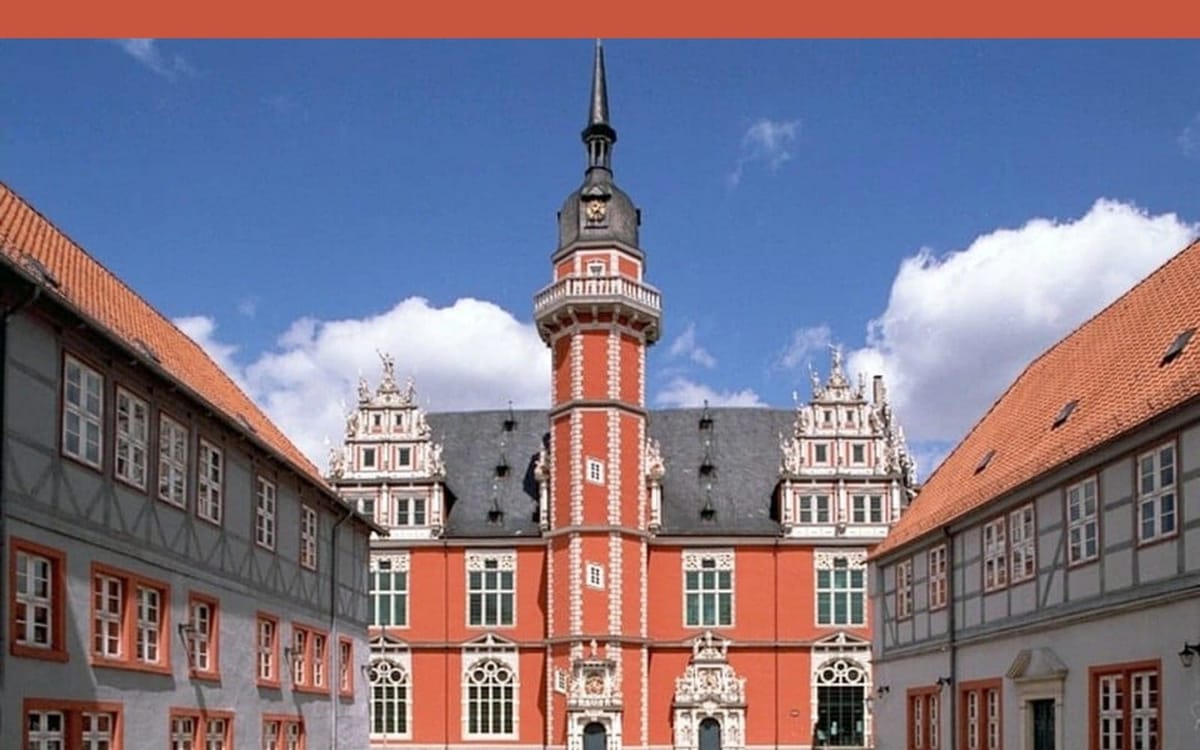
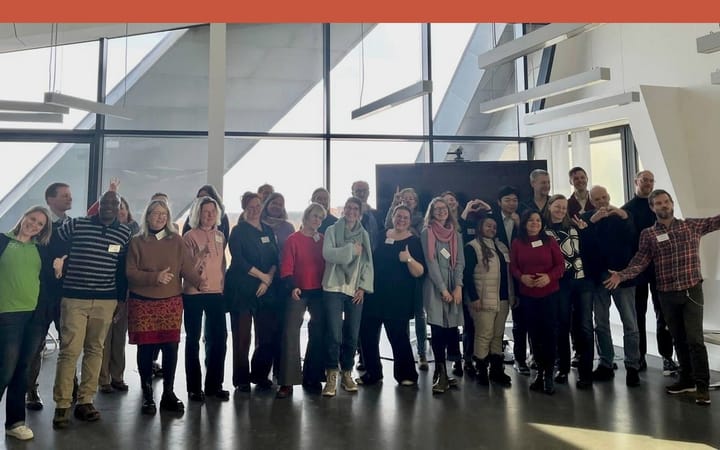
Under what changed social conditions do people learn sustainability today, and what can home economics contribute? On 21 September 2026, the German Society for Home Economics (Deutsche Gesellschaft für Hauswirtschaft, dgh) held its annual conference in Helmstedt, marking its 75th anniversary this year. Under the conference theme “Home Economics: One World – One Science” (our translation), Daniel Fischer gave the first keynote, titled “Learning sustainability in a polarised world: What can home economics contribute?” (our translation; the keynote was given in German). The conference took place in the Juleum, the former main building of the University of Helmstedt. The Academia Julia was a university for more than 200 years until it was closed in 1810 under the Napoleonic Kingdom of Westphalia.
The keynote focused on the changed social conditions under which sustainability is learned today. The Greenpeace Sustainability Barometer 2025, conducted together with Leuphana University and HNEE, shows that two out of three young people are worried about climate change, 63 percent are frustrated, and 71 percent feel they have to pay for the mistakes of older generations. Many adults experience change as an imposition rather than as a task to shape. And, as Steffen Mau and colleagues describe with the term “trigger points”, public debates tend to tip precisely where sustainability touches people’s everyday lives and ways of living. A central task is to make new use of the positive pull of the idea of sustainability and to bring learners’ worries, wishes and fears into educational and learning processes.
At Leuphana, we have been developing a needs-based approach to this for several years. Following Manfred Max-Neef, it distinguishes between needs and the means of satisfying them. The guiding question then becomes: how can we, as individuals and as a society, organise the satisfaction of our needs so that its quality is high and its effects are sustainable? Examples from the projects ReZeitKon and FoodLabHome and from university teaching showed how learners explore their own practice instead of being lectured about it.
The conference made clear that Education for Sustainable Development starts locally: not with abstract Earth system knowledge, but with negotiating and trying out options for change where needs are actually met. These are mostly households, private ones as well as organisational ones such as schools and other institutions. At the same time, the concept of needs has been discussed intensively in home economics since its beginnings. Bringing this discussion together with work in ESD is a promising starting point for closer cooperation between the two fields.
More about the conference: dgh annual conference 2026 (in German)