
SSATL-ESD | Sub-Saharan Africa Teacher Leadership for Education for Sustainable Development
The SSATL-ESD project strengthens teacher leadership to transform ESD across Sub-Saharan Africa and Europe.

The SSATL-ESD project strengthens teacher leadership to transform ESD across Sub-Saharan Africa and Europe.
- Status
- Ongoing
- Duration
- 11/2024–10/2027
- Funding
- European Union, Erasmus+ (Capacity Building in Higher Education)
- Role of the Chair
- Consortium lead, Leuphana University Lüneburg
- Network
- 8 countries · 14 universities · 1 RCE · 57 team members

What is it about?
Teachers shape the knowledge, skills and values the next generation brings to sustainable development, green economies and culturally diverse, inclusive societies. How can educators and teacher leaders in Sub-Saharan Africa be strengthened to lead Education for Sustainable Development (ESD) in their schools and institutions?
Goals
- Strengthen teacher leadership in ESD in the Sub-Saharan region
- Empower educators and teacher leaders with the competences to improve the next generation's knowledge, skills and values for sustainable development
Approach
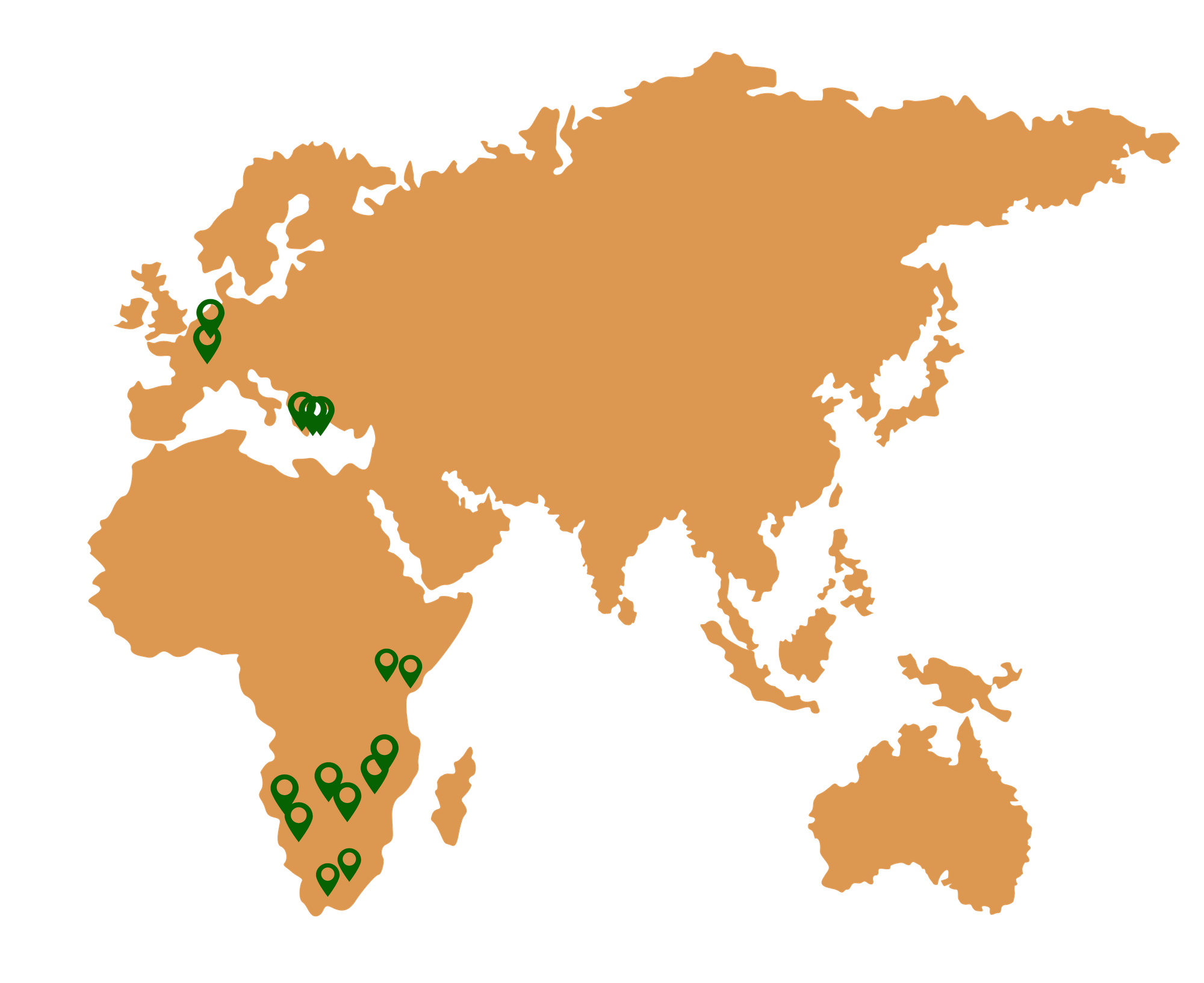
SSATL-ESD is a collaborative initiative of 15 partner institutions from Sub-Saharan Africa and Europe: 14 universities and one Regional Centre of Expertise on ESD in eight countries, with 57 team members.
Partners
- Leuphana University Lüneburg, Germany
- Heidelberg University of Education, Germany
- Frederick University, Cyprus
- University of Crete, Greece
- Regional Centre of Expertise on ESD Crete, Greece
- Rhodes University, South Africa
- University of the Witwatersrand, Johannesburg, South Africa
- University of Namibia
- Namibia University of Science and Technology
- University of Zambia
- Copperbelt University, Zambia
- The Catholic University of Malawi
- University of Malawi
- Jomo Kenyatta University of Agriculture and Technology, Kenya
- Kenyatta University, Kenya
Contact



Posts from SSATL-ESD
Loading…