
Future.Ed | Future Trends in Education: Transforming Schools through Democracy Education and ESD
Future.Ed studies how schools can embed democracy education and ESD as whole-school transformations. Members of the Chair contribute to two of its Creative Units.

Future.Ed studies how schools can embed democracy education and ESD as whole-school transformations. Members of the Chair contribute to two of its Creative Units.
- Status
- Ongoing
- Duration
- 01/2025–12/2029
- Funding
- zukunft.niedersachsen (Lower Saxony Ministry of Science and Culture and Volkswagen Foundation)
- Role of the Chair
- Lead of Creative Unit F (Daniel Fischer); Lead of Creative Unit C (Harald Hantke)
- Consortium
- Leuphana University Lüneburg, University of Oldenburg, Osnabrück University
- Website
- future-ed.de

What is it about?
Democracy education and Education for Sustainable Development (ESD) are cross-cutting tasks for schools. Implementing them across subjects and across the whole school is a challenge for school practice and for research alike. How can civic literacy and sustainability literacy be embedded in schools as whole-school transformations, and what do students learn in schools that have set out on this path?
Goals
- Build a longitudinal data foundation on competency development and school change in democracy education and ESD
- Develop and test formats with partner schools in a co-constructive approach
- Understand how schools take up democracy education and ESD as transformative tasks
Approach
The consortium organises its research in Creative Units, each working with partner schools and examining one dimension of school development: professional capacity (CU A), school learning climate (CU B), instructional governance (CU C), relationships with the community (CU D/E) and the interactions among them (CU F). Each unit brings together researchers from all three universities.
Creative Unit C: Instructional governance
CU C asks how democracy education and ESD can be integrated into the teaching of different subjects. Teaching formats for social science, natural science and language subjects are developed and tested in co-construction between practice and research.
Creative Unit F: Interactions among the units
CU F takes a school culture theory perspective. It asks how schools engage with sustainability education and democracy education as transformative tasks at the discursive and performative levels, how they translate them into practice, and what students learn in these schools. As the synthesis unit, CU F also examines the interactions among Units A to E. At Leuphana, Daniel Fischer, Luisa Kahlke and Claire Grauer work in CU F, together with Christian Reintjes and Till Kaiser (Osnabrück) and Till-Sebastian Idel and Sven Pauling (Oldenburg).
Partners
Contact
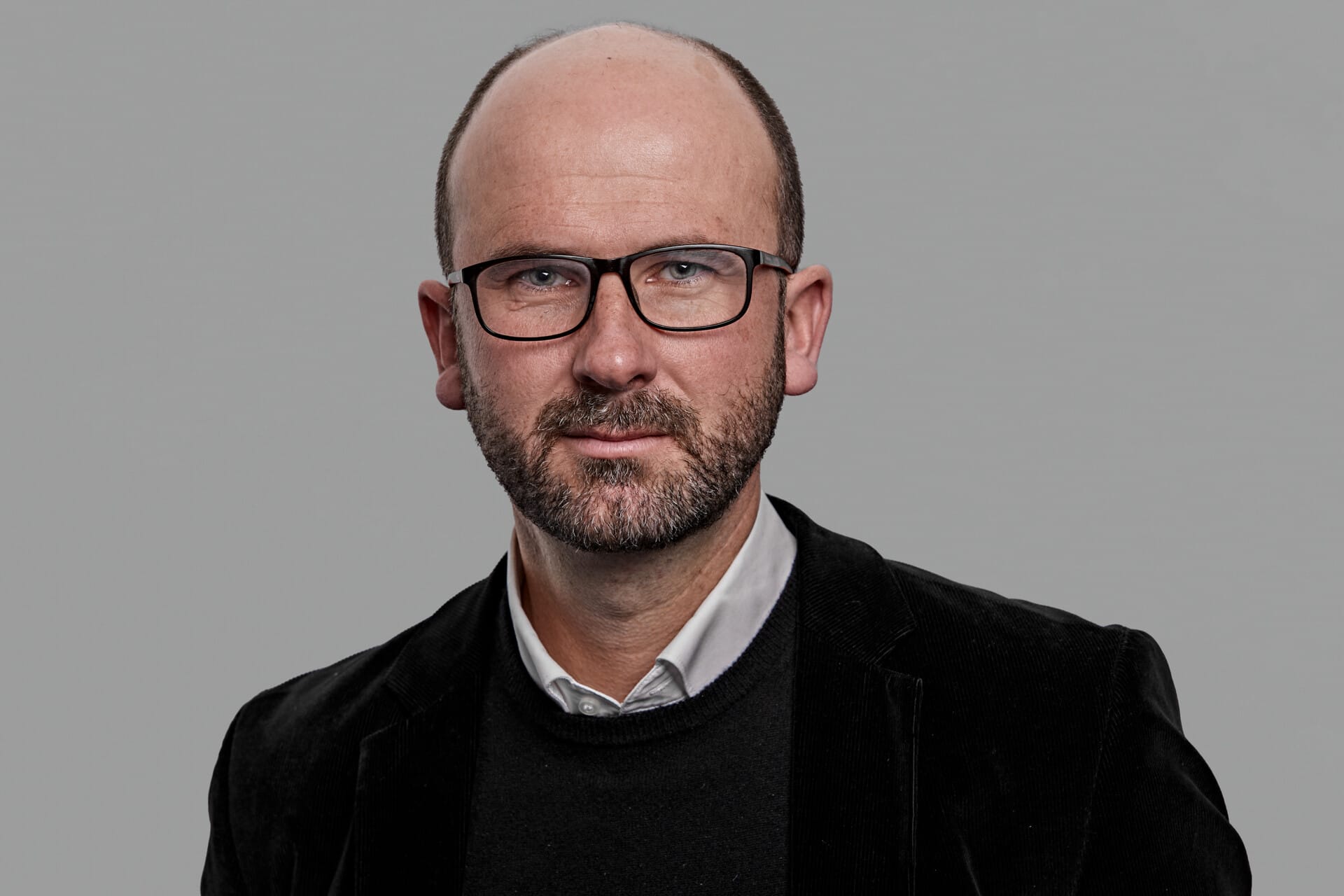 Daniel FischerCo-lead
 Claire GrauerCoordinatorLKLuisa KahlkeCoordinator
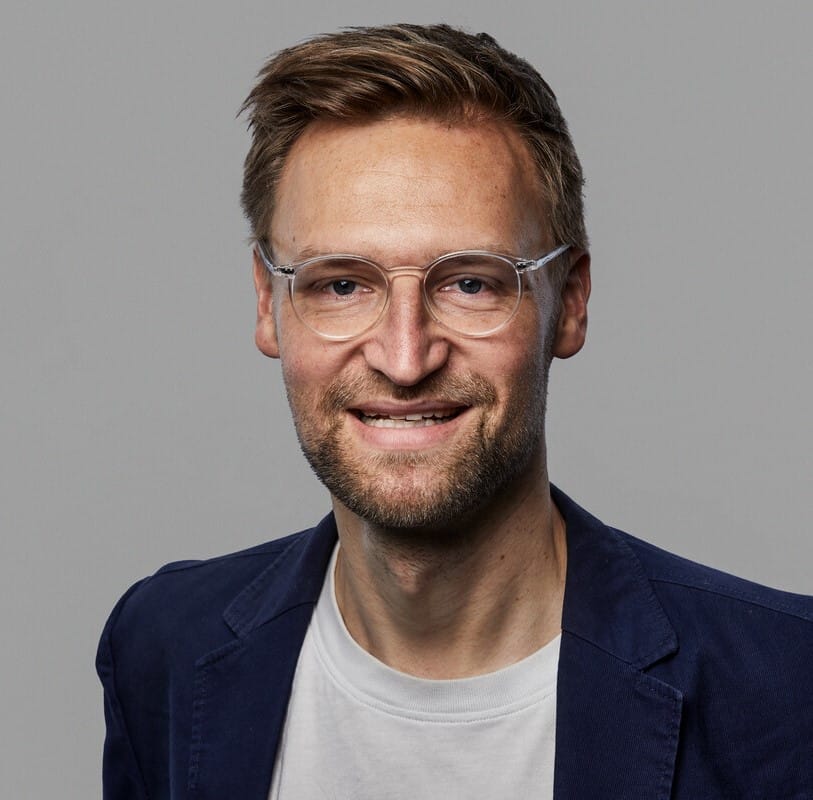 Harald HantkeCo-leadHMHannes MasurekTeam member
Posts from Future.Ed
Loading…